
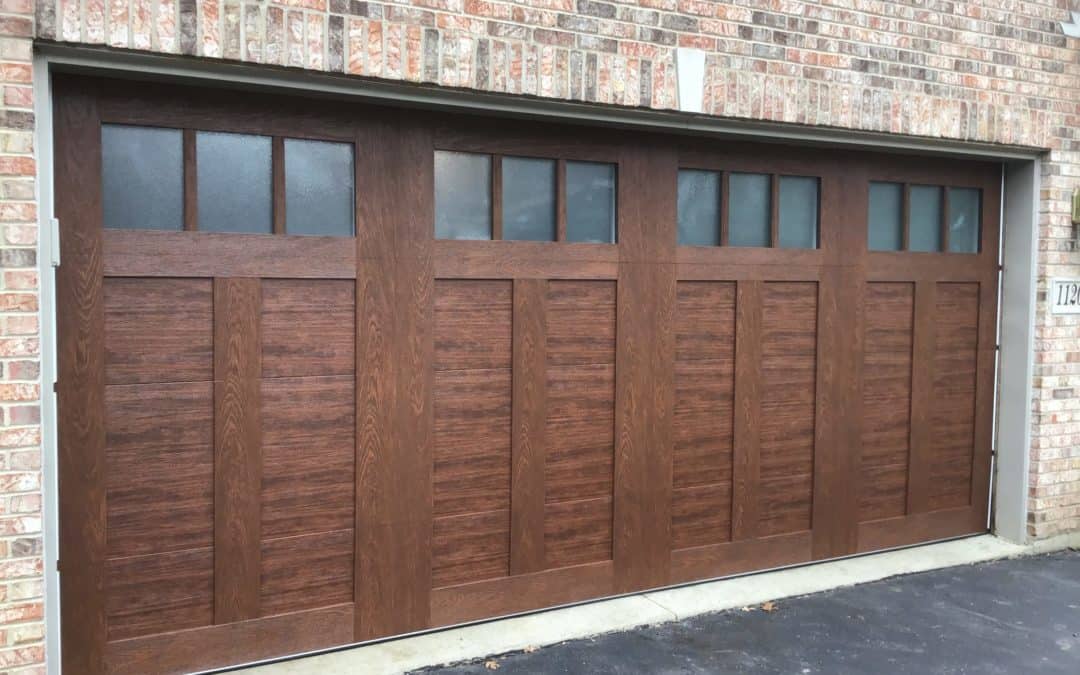
Finding a crack in your wooden garage door feels frustrating, but not every crack means disaster. After four decades serving homeowners across Chicagoland, we’ve seen countless wood garage doors with damage ranging from hairline surface cracks to structural splits that compromise the door’s integrity. Many minor cracks are manageable with basic DIY repairs, while knowing when to call professionals saves you time, money, and potential safety headaches.
Understanding what caused your cracked garage door and how to assess the damage helps you make smart decisions about repair approaches. Surface-level cosmetic issues? A weekend DIY project might restore your door’s appearance. Deeper structural cracks need professional assessment to ensure your door stays safe and functional. If you’re uncertain about how severe your garage door crack is, reach out to our team for a professional evaluation.
Common Causes of Cracks in Wooden Garage Doors
Wooden garage doors develop cracks for several reasons. Identifying the root cause helps prevent future damage. While wood offers beautiful aesthetics and natural insulation, it’s more vulnerable to environmental stresses than steel or aluminum alternatives.
Weather and Moisture Damage
Chicagoland’s climate creates perfect conditions for wooden garage door deterioration. Our harsh winters bring repeated freeze-thaw cycles that force moisture into wood grain, where it expands when frozen and contracts when thawed. This constant movement weakens wood fibers and creates stress points that eventually crack.
Humidity swings between seasons make things worse. Summer moisture causes wood to swell, while winter’s dry indoor heating shrinks it back down. This seasonal expansion and contraction gradually separates wood fibers, particularly along natural grain lines. Doors without proper sealing or those with compromised finish coatings absorb moisture more readily, which speeds up crack formation. Rain, snow, and even morning dew seep into untreated wood surfaces. That’s why moisture damage ranks as one of the most common causes we encounter during repair calls throughout Lake County.
Age and Natural Wood Movement
Wood is a living material that continues moving even after installation. Natural wood movement occurs as the material responds to temperature changes and humidity levels. Over years of service, this constant micro-movement creates internal stresses within door panels.
Older wooden garage doors become particularly vulnerable as their protective finishes degrade. A door installed in 1981 may have served beautifully for decades, but its original sealant and finish have likely worn thin, leaving wood exposed to the elements. The adhesives bonding multi-panel doors can weaken over time too, allowing individual sections to shift independently rather than moving as a unified structure. This differential movement between joined sections creates stress concentrations where cracks typically form.
Impact Damage and Physical Stress
Physical impacts from vehicles, recreational equipment, or debris create immediate cracking that may worsen over time. What starts as a small crack from backing into your door with a bicycle can spread as temperature changes and daily operation stress the damaged area.
Garage door hardware also contributes to stress-related cracking. Hinges, brackets, and mounting hardware create pressure points where wood bears concentrated loads during opening and closing cycles. If hardware loosens or shifts, these pressure points change, potentially creating new stress concentrations. We’ve repaired numerous wooden garage doors in Barrington and Lake Zurich where improperly tightened hardware or missing fasteners allowed excessive panel flex, leading to cracks near mounting points.
Simple DIY Fixes for Minor Garage Door Cracks
Surface-level cracks often respond well to straightforward repair techniques. Before starting any garage door repair project, make sure your door is fully closed and disconnected from the opener to prevent unexpected movement that could cause injury.
Tools and Materials You’ll Need
Successful wood filler for garage door repairs requires proper materials and tools. You’ll need wood filler or epoxy-based filler designed for exterior applications, since garage doors face weather exposure. Choose fillers specifically rated for outdoor use (they contain additives that resist moisture better than interior-grade products).
Gather medium-grit and fine-grit sandpaper for surface preparation and smoothing. A putty knife or flexible scraper helps apply filler cleanly into cracks. Have clean rags and mineral spirits available for cleanup. For finishing, you’ll need exterior-grade primer and paint or stain that matches your door’s existing finish. Protective equipment matters too. Wear safety glasses, work gloves, and a dust mask when sanding to avoid breathing wood particles or filler dust.
Repairing Surface-Level Cracks
Start by cleaning the cracked area thoroughly. Remove loose wood fibers, old paint chips, and debris from the crack with a wire brush or scraper. Wipe the area with a damp cloth and let it dry completely before applying filler. Moisture trapped under filler prevents proper adhesion and can cause the repair to fail.
Apply wood filler into the crack with your putty knife, pressing firmly to eliminate air pockets. Overfill slightly, as most fillers shrink during curing. For deeper cracks exceeding a quarter-inch, apply filler in layers rather than attempting to fill the entire depth at once. Allow each layer to cure according to manufacturer instructions before adding the next layer. This approach prevents the surface from skinning over while the interior remains soft.
Once the filler cures completely, sand the repair area smooth. Start with medium-grit sandpaper to level the filler with the surrounding wood surface, then switch to fine-grit sandpaper for final smoothing. Sand with the wood grain direction to avoid creating visible scratch patterns. Wipe away sanding dust with a clean, slightly damp cloth before proceeding to finishing.
Finishing and Protecting Your Repair
Proper finishing protects your repair and helps it blend with the surrounding door surface. Apply exterior-grade primer to the repaired area, extending slightly beyond the repair itself to ensure good adhesion. Let the primer dry completely according to product specifications.
Match your door’s existing finish as closely as possible. For painted doors, apply two thin coats of exterior paint rather than one thick coat. Thin coats dry more evenly and are less likely to crack or peel. For stained doors, test your stain on an inconspicuous area first, as filler often absorbs stain differently than natural wood. You may need to apply wood conditioner before staining to achieve color consistency.
After your finish coat dries, consider applying a clear exterior sealer over the entire door panel. This extra protection helps prevent future moisture infiltration that could cause new cracks. Regular maintenance (inspecting your door seasonally and touching up finish as needed) extends the life of your repair and helps prevent additional damage.
How to Know When It’s Time to Call a Professional
DIY repairs work well for minor cosmetic issues, but certain situations demand professional expertise. Recognizing these scenarios protects your investment and, more importantly, your safety.
Signs of Structural Damage
Structural cracks extending through the door’s full thickness compromise the door’s integrity. These cracks can cause panel failure during operation, potentially dropping sections of the door unexpectedly. If you can see daylight through a crack or if the crack runs vertically near the door’s edges where it connects to hardware, don’t attempt DIY repairs. These situations require professional assessment to determine whether the door can be safely repaired or needs replacement.
Multiple cracks appearing across different panels signal systemic problems rather than isolated damage. This pattern often indicates the wood has reached the end of its serviceable life or that underlying issues like frame misalignment or foundation settling are stressing the entire door. Addressing symptoms without correcting root causes wastes time and money on repairs that will fail repeatedly.
Hardware and Operational Issues
Cracks near garage door hardware deserve special attention. Hardware mounting areas bear significant loads during door operation. Cracks in these zones can allow hardware to pull free, potentially causing the door to derail or collapse. Similarly, if your door has become difficult to open, operates unevenly, or makes unusual sounds during movement, the crack may have compromised the door’s balance or alignment. These operational changes indicate problems beyond cosmetic appearance.
Safety Considerations
Any situation where you’re uncertain about the repair’s safety requirements warrants professional evaluation. We’ve responded to countless homeowners throughout Southeast Wisconsin who attempted repairing structural damage themselves, only to face costlier repairs after their efforts failed or worsened the problem. Our professional garage door repair services include a thorough assessment of crack severity, underlying causes, and whether repair or replacement makes the most sense for your situation.
Working on garage doors carries inherent risks. Doors are heavy, and spring systems store dangerous amounts of tension. If your repair requires removing or adjusting springs, cables, or other mechanical components, leave this work to trained technicians. Our team members each bring at least five years of experience to every job, ensuring repairs are completed safely and correctly. We’re available 24/7 for situations where crack damage creates immediate safety concerns or where DIY repairs haven’t resolved the issue.
Why Greater Chicago Homeowners Trust Overhead Garage Door
Since 1981, we’ve built our reputation on honest service and quality workmanship. Homeowners across Chicagoland choose us because we prioritize doing the job right over doing it quickly, and we’re transparent about what repairs make sense versus when replacement is the smarter investment.
Experienced Technicians and Quality Workmanship
Every technician on our team must have at least five years of industry experience before we’ll hire them. Beyond experience, all our team members undergo background checks and participate in ongoing training to stay current with new products and repair techniques. This commitment to qualified, trustworthy professionals has earned us an A+ rating from the Better Business Bureau and more than 1,000 reviews on Angi, along with their Super Service Award.
When you call us about repairing wood garage door panels, you’re getting technicians who’ve seen and solved similar problems hundreds of times. We can quickly assess whether your crack stems from moisture damage, structural stress, or simple aging, then recommend the most cost-effective solution. Our assessment is honest. If a DIY approach will work, we’ll tell you. If your door needs professional attention, we explain why and provide clear options.
Comprehensive Repair and Replacement Options
We offer complete solutions for wooden garage door repair needs, from fixing individual panels to full door replacement when necessary. Our service includes crack repair, hardware adjustment, spring and cable replacement, weather seal installation, and refinishing services that restore your door’s protective coating.
For doors beyond economical repair, we carry quality replacement options from manufacturers including Clopay, Amarr, and Wayne Dalton, with materials ranging from traditional wood to low-maintenance steel and fiberglass alternatives. We serve residential and commercial customers throughout our service area, including Lake County communities, and we’re equipped to handle same-day repairs for urgent situations. Our 24/7 emergency availability means you’re never stuck with a damaged door that compromises your home’s security or safety.
Contact Overhead Garage Door for Expert Assistance Today
Fixing a cracked wooden garage door starts with an accurate assessment. Surface cracks you can repair yourself with basic materials and some patience. Deeper structural issues require professional expertise to ensure safe, lasting repairs.
If you’re facing wooden garage door repair decisions and want expert guidance, contact us for an evaluation. Our team serves all of Chicagoland, including Highland Park, Lake Forest, Geneva, Glenview, and more, from our Ingleside headquarters, providing the honest assessments and skilled repairs that have kept us in business for over 40 years.
Whether you need advice on a DIY project or professional repair services, we’re here to help you make the right decision for your home and budget.